Paul Revere’s association with the Sons of Liberty was central to his transformation from artisan to political actor and to his broader influence on the revolutionary movement in Boston. Though he never held formal office within the group, as the Sons of Liberty were not a rigidly structured organization, Revere was deeply embedded in its networks, activities, and methods of resistance. His contributions highlight how the movement relied not only on prominent leaders but also on skilled, connected individuals who could communicate, organize, and act decisively.
The Sons of Liberty emerged in the mid-1760s in response to British policies such as the Stamp Act. In Boston, the group brought together merchants, artisans, and political figures who opposed taxation without representation and the growing reach of Parliament into colonial affairs. Revere, as a member of the artisan class, naturally fit within this coalition. His trade placed him in regular contact with fellow craftsmen, shopkeepers, and laborers etc., precisely the social groups that formed the backbone of the movement.
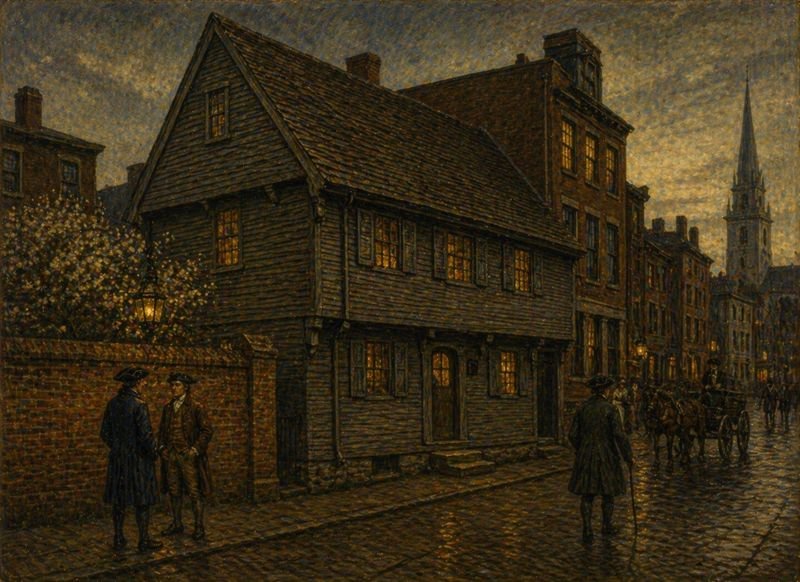
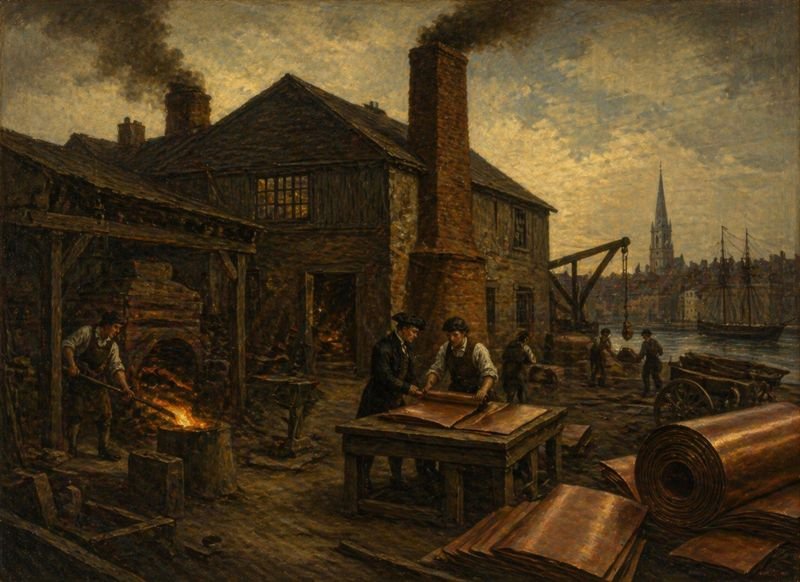
Revere’s workshop functioned as more than a place of business; it was part of a wider social and political network. Information flowed through these spaces, news, rumors, political ideas etc., and helped coordinate collective action. This was a defining feature of the Sons of Liberty: it operated through relationships and shared commitments rather than formal hierarchies. Revere’s reliability and connections made him a valuable participant in this environment.
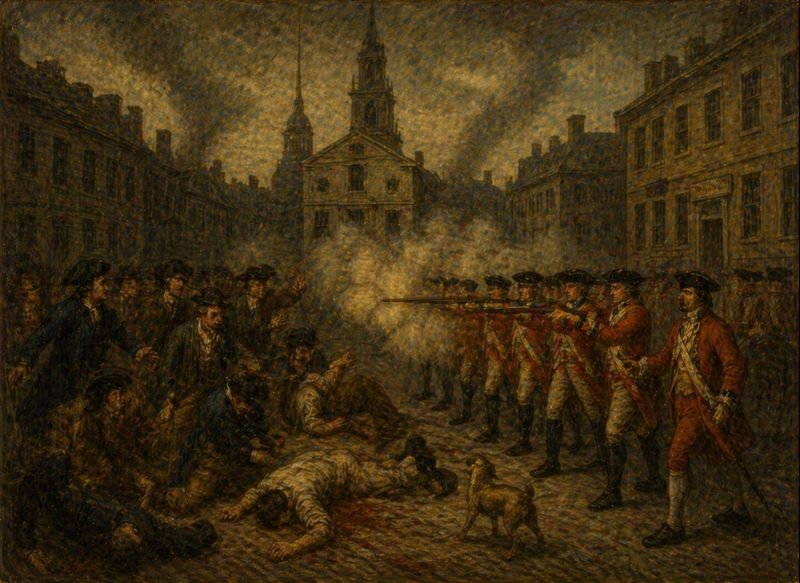
One of his most important roles within the movement was as a communicator. Revere’s skills as an engraver allowed him to produce images that reinforced the Sons of Liberty’s message. His prints, including his depiction of the Boston Massacre, were not created in isolation but reflected the broader political strategy of the group. These images helped shape public perception, turning complex incidents, events and situations into clear narratives of oppression and resistance. By doing so, Revere amplified the message that the Sons of Liberty sought to convey.
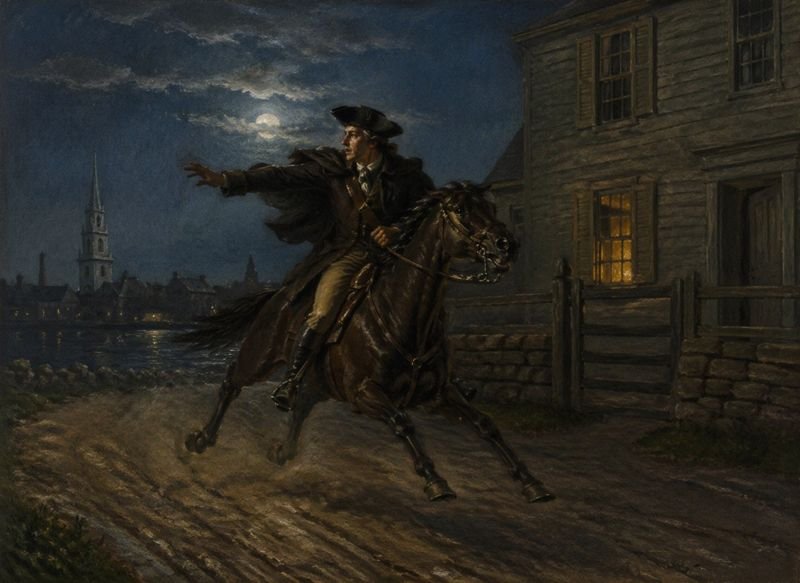
In addition to visual communication, Revere played a crucial role as a courier. The Sons of Liberty depended on rapid and reliable communication between towns and colonies, particularly as tensions with Britain escalated. Revere carried messages, intelligence, and instructions, linking Boston with other centers of resistance. This work required discretion and trust, as the information being transmitted could have serious consequences if intercepted. His participation in these activities demonstrates the practical, operational side of the movement, which extended beyond protests and public demonstrations.
Revere was also present in many of the social spaces where the Sons of Liberty gathered, such as taverns and meeting places where plans were discussed and alliances formed. These venues were essential to the functioning of the group, allowing members to coordinate boycotts, organize protests, and respond to British actions. Whilst figures like Samuel Adams often provided leadership and direction, individuals like Revere ensured that plans were carried out and communicated effectively.
The association between Revere and the Sons of Liberty also illustrates the blending of social classes within the revolutionary movement. Whilst elite merchants and political leaders were prominent, the participation of artisans like Revere was crucial in mobilizing broader public support. His ability to connect with working- and middle-class Bostonians helped extend the reach of the movement, making it more than a narrow political faction.
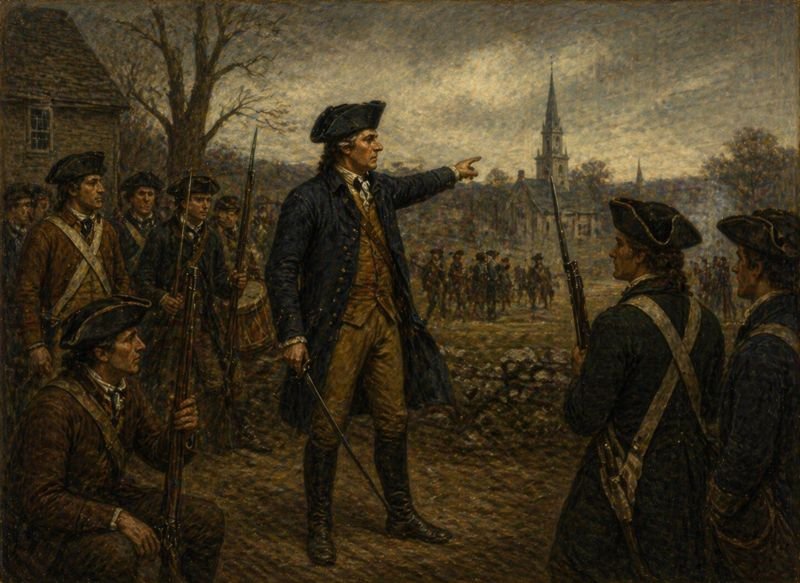
Revere’s involvement with the Sons of Liberty continued into the early 1770s, as tensions intensified following events like the Boston Massacre. The networks and skills he developed during this period were instrumental in later moments, particularly in April 1775, when he helped warn colonial militias of British troop movements. This famous night-time ride was not an isolated act of heroism but the product of years of experience within the communication systems established by groups like the Sons of Liberty.
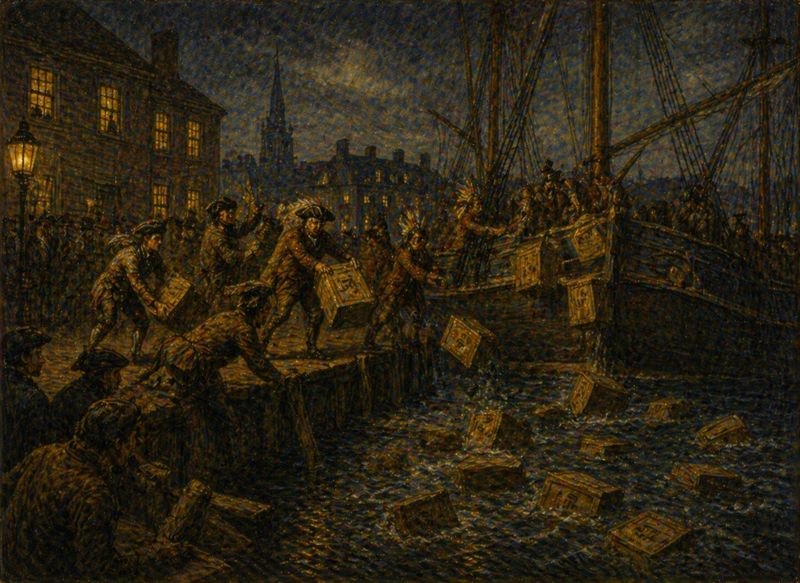
It is important to note that the Sons of Liberty employed a range of tactics, from organized boycotts to more confrontational forms of protest. Revere’s role did not typically place him at the forefront of violent actions, but he was part of a movement that understood the value of both persuasion and pressure. His contributions were often behind the scenes, yet they were essential to the effectiveness of the group.
In the broader historical context, Revere’s association with the Sons of Liberty highlights how revolutionary movements depend on networks of cooperation. Leadership, communication, and participation all played interconnected roles. Revere exemplified the type of individual who could bridge these elements; combining technical skill, social connection, and political commitment.
Ultimately, Paul Revere’s involvement with the Sons of Liberty was foundational to his legacy. It shaped his development as a political actor and positioned him within the networks that drove colonial resistance. Through his work as an engraver, courier, and participant in collective action, he helped translate the ideas of the movement into tangible forms that could be seen, shared, and acted upon.