
Paul Revere - Boston
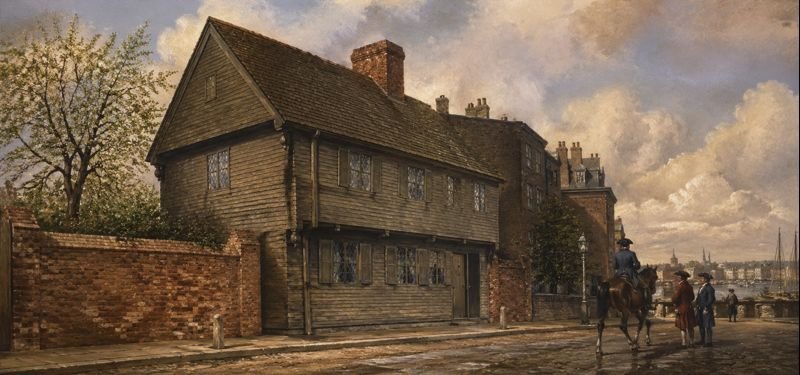
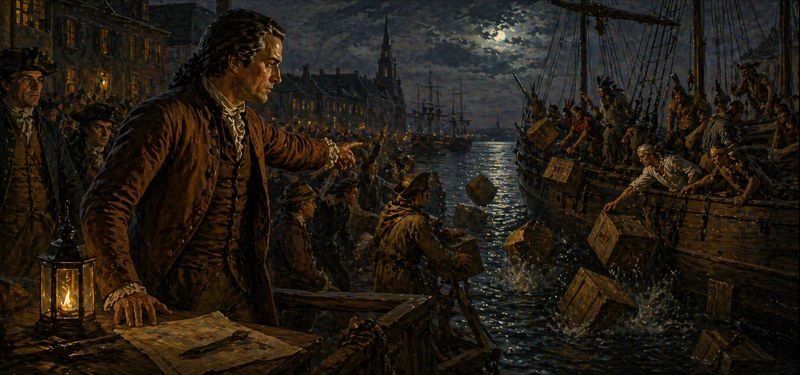
Paul Revere is perhaps one of the most significant individuals concerning the formation and creation of the United States of America. Although most of his impact was in Boston he played many diverse roles in the creation of this country.
Learn MoreHistory, Events & Background
The Life & Times Of Paul Revere

Events
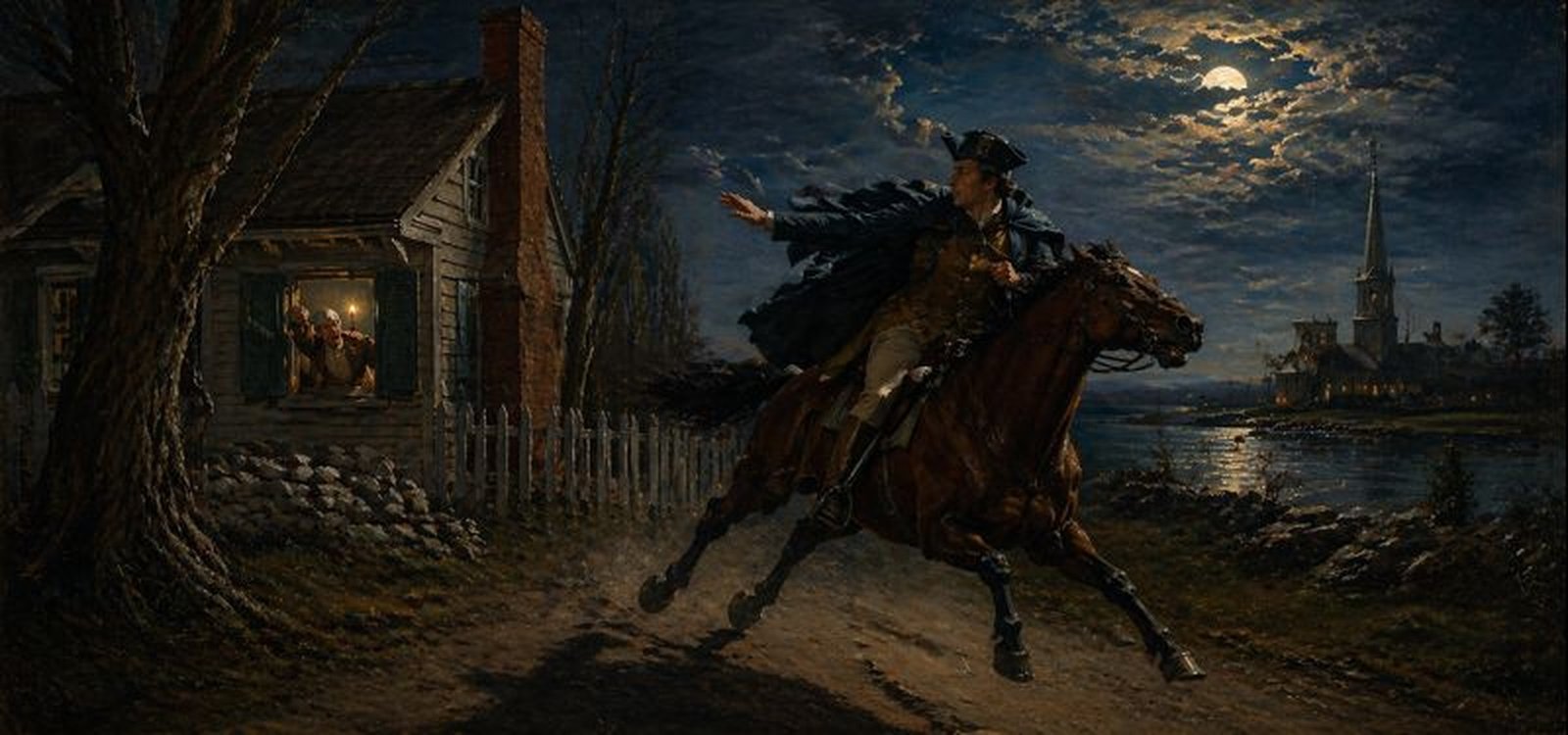
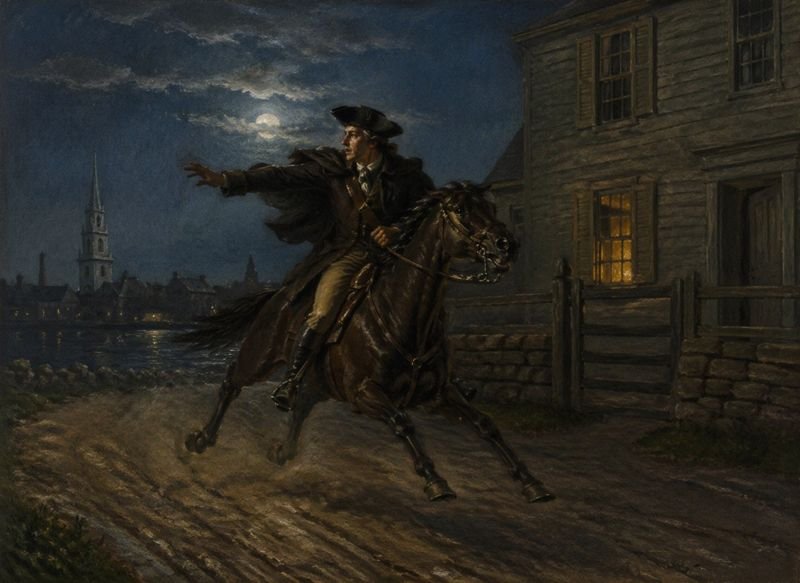
The Midnight Ride
Paul Revere’s Midnight Ride is one of the most famous events of the American Revolutionary era, taking place on the night of April 18th and 19th, 1775. Often remembered as a dramatic solo dash, the reality is more complex and even more significant. Paul Revere was part of a coordinated warning system designed to alert colonial leaders and militia forces of advancing British troops. This effort helped trigger the opening clashes of the Battles of Lexington and Concord.
The purpose of the midnight ride was to warn figures such as Samuel Adams and John Hancock that British forces were marching to seize military supplies in Concord. Revere worked alongside other riders, including William Dawes and Samuel Prescott, using established communication networks like signal lanterns in Boston’s Old North Church and a system of messengers traveling through nearby towns. Rather than shouting “the British are coming,” as popular myth suggests, the riders quietly spread the alarm that regular troops were on the move.
This rapid communication allowed colonial militias to mobilize quickly, setting the stage for the first battles of the American Revolution. The success of the mission demonstrated the importance of preparation, organization, and local networks in resisting British authority.
Paul Revere’s Midnight Ride has since become a symbol of American independence and patriotism, especially after Henry Wadsworth Longfellow’s famous poem popularized the story. Today, it remains a key moment in U.S. history, illustrating how communication, coordination, and decisive action helped ignite the Revolutionary War and shape the nation’s path to independence.
Events
The Boston Massacre
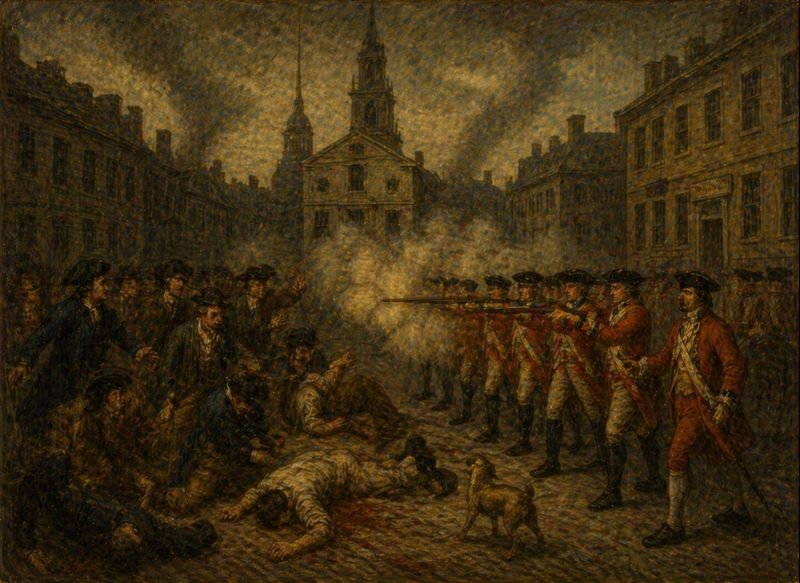
Paul Revere and the Boston Massacre are closely linked through one of the most powerful pieces of Revolutionary-era propaganda. The Boston Massacre took place on March 5, 1770, when tensions between British troops and Boston civilians erupted into violence, leaving five colonists dead. While Paul Revere was not a central figure in the event itself, his role in shaping how it was understood proved hugely influential.
In the days following the massacre, Revere created an engraving titled “The Bloody Massacre Perpetrated in King Street.” This image depicted British soldiers firing in an organized line into an unarmed crowd, presenting the event as a deliberate act of brutality. Although the reality was more chaotic, involving a hostile crowd and confusion on both sides, Revere’s version simplified the scene into a clear narrative of oppression and innocence.
The engraving was widely distributed throughout the American colonies, helping to fuel anti-British sentiment and unify colonial opposition. It became one of the most recognizable images of the period, transforming a local confrontation into a symbol of British tyranny. This use of visual media highlights how propaganda played a key role in building support for resistance in the years leading up to the American Revolution.
Paul Revere’s involvement in the Boston Massacre demonstrates the power of communication in shaping historical events. His work ensured that the massacre was not just remembered, but understood in a way that supported the growing revolutionary movement. Today, his engraving remains an important example of how imagery influenced public opinion and helped drive the colonies toward independence.
Groups
The Massachusetts Militia
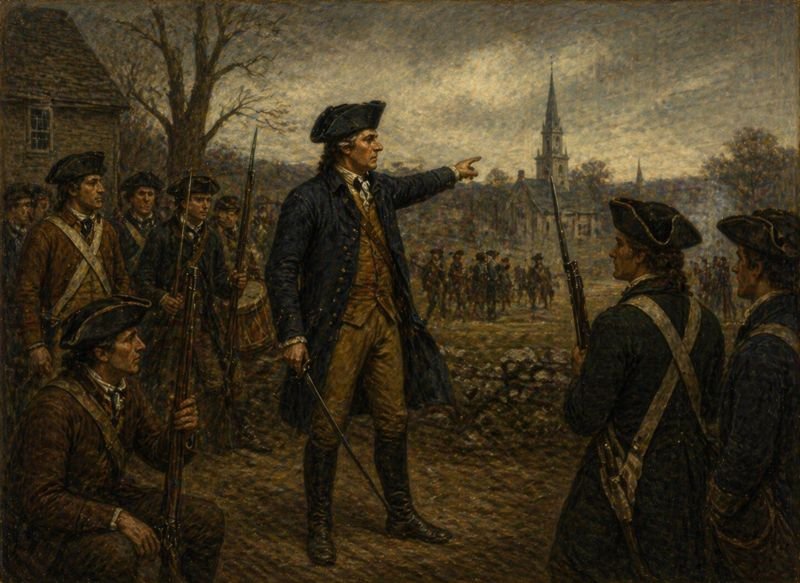
Paul Revere’s role in the Massachusetts militia was a significant part of his contribution to the American Revolution, extending far beyond his famous midnight ride. Paul Revere served as an officer in the Massachusetts militia during the early years of the war, helping organize defenses and support the patriot cause. His earlier work as a courier, warning of British troop movements before the Battles of Lexington and Concord, was closely tied to the militia system, ensuring that local forces could mobilize quickly.
As a lieutenant colonel of artillery, Revere’s responsibilities included overseeing cannons, managing equipment, and supporting military operations. His background in metalworking and production made him well suited to this role, particularly in an army that relied heavily on local expertise rather than on professional experience. The Massachusetts militia itself was made up of citizen-soldiers, reflecting the broader participation of ordinary colonists in the Revolutionary War.
One of the most notable, and controversial, episodes of Revere’s militia service was his involvement in the Penobscot Expedition. This campaign aimed to remove British forces from Maine but ended in failure due to poor coordination and delayed decision-making. Revere served as an artillery officer during the expedition, and after the defeat, he faced accusations of misconduct. However, following a later court-martial, he was acquitted, restoring his reputation.
Paul Revere’s involvement with the Massachusetts militia highlights the practical and military side of his revolutionary activity. His service demonstrates how the American Revolution depended not only on famous events but also on the ongoing efforts of individuals working within local military systems. Through both success and controversy, Revere’s militia career remains an important part of his legacy.
Learn More About Paul Revere
Books About
Paul Revere
Read About Books Concerning Paul Revere and Learn From Different Authors &
Their Perspectives & Angles On What His Life Was Really Like And How He Shaped American History
Kyralia Leigh
Midnight Catalyst
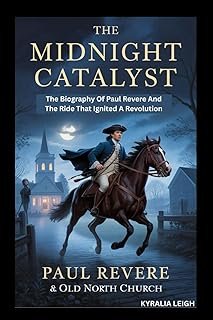
Kyralia Leigh’s "The Midnight Catalyst: The Biography of Paul Revere and the Ride That Ignited a Revolution" presents an engaging and highly accessible retelling of Paul Revere’s most famous moment whilst...
Kostya Kennedy
The Ride
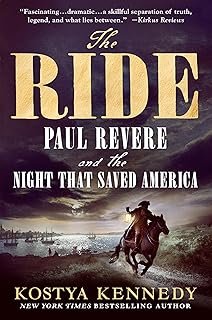
Kostya Kennedy’s "The Ride: Paul Revere and the Night That Saved America" is a fast-paced and engaging retelling of one of the most iconic events in American history. Rather than presenting the midnight ride...
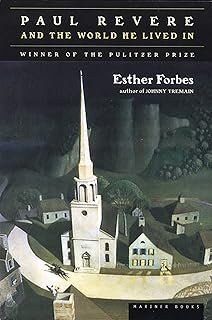
Esther Forbes
Paul Revere's World
Esther Forbes’s "Paul Revere and the World He Lived In" is widely regarded as one of the most definitive biographies of Paul Revere, offering far more than a simple account of his life. First published in 1942...
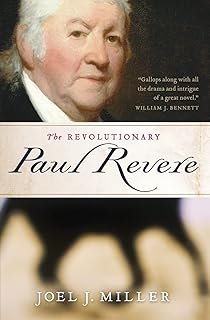
Joel J. Miller
Revolutionary
Joel J. Miller’s "The Revolutionary Paul Revere: A Biography of a Hero of the American Revolution" offers an engaging and accessible portrait of Paul Revere that goes well beyond the familiar story of his...