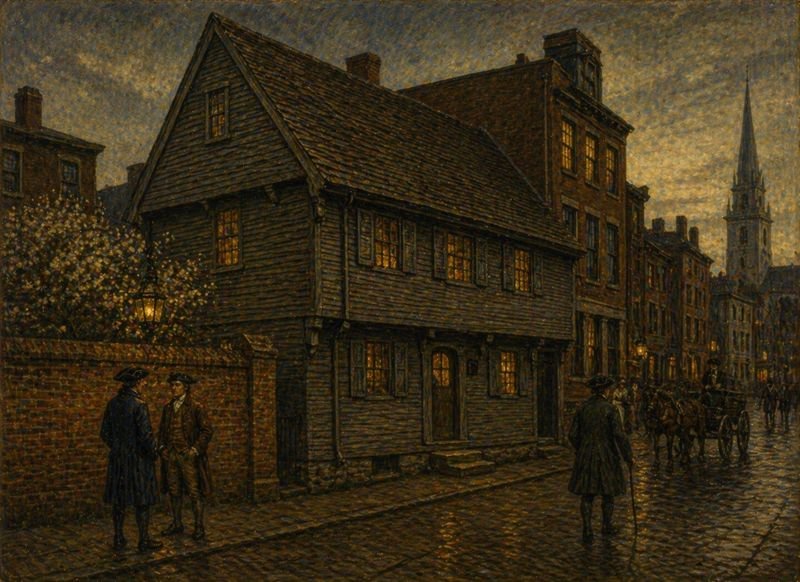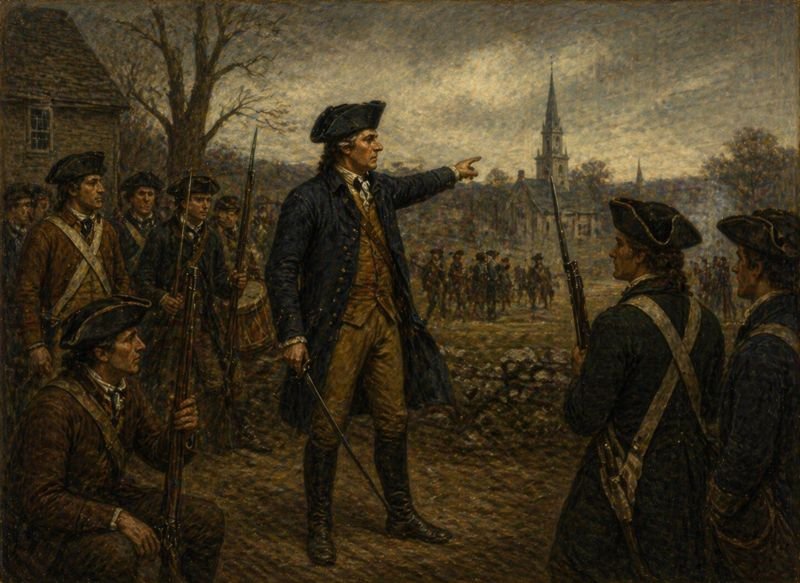
Paul Revere’s involvement in the American Revolutionary War extended far beyond the single, famous episode of his midnight ride. Whilst that moment has come to define his legacy in popular memory, Revere’s contributions to the revolutionary cause were sustained, varied, and deeply embedded in the political and military efforts that led to and supported the war. His role evolved over time, reflecting both his personal skills and the changing needs of the colonial resistance.
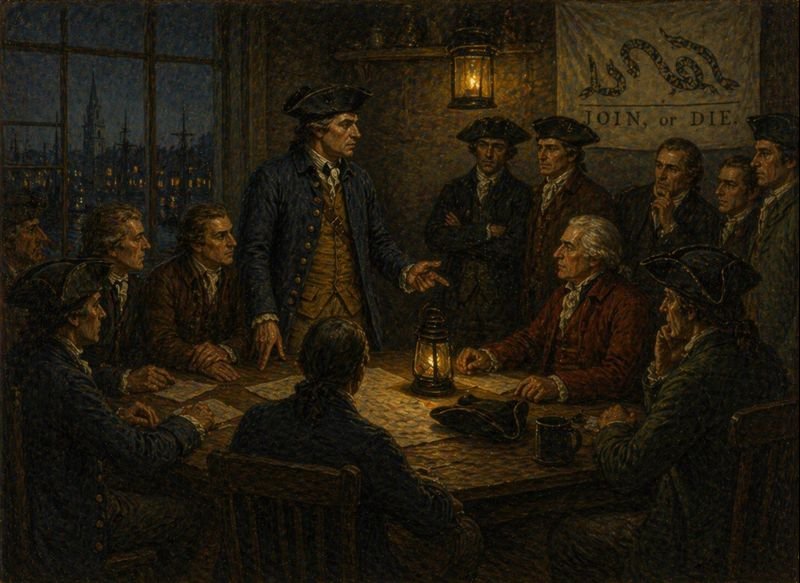
Before open conflict began, Revere was already an active participant in the networks that would make organized resistance possible. Through his work with groups such as the Sons of Liberty and his involvement in Boston’s committees of correspondence, he helped establish systems of communication that linked towns and colonies. These networks were essential in sharing information about British policies and actions, allowing colonists to coordinate their responses. Revere’s reliability as a courier made him a trusted figure within this system, regularly carrying messages between leaders and communities.
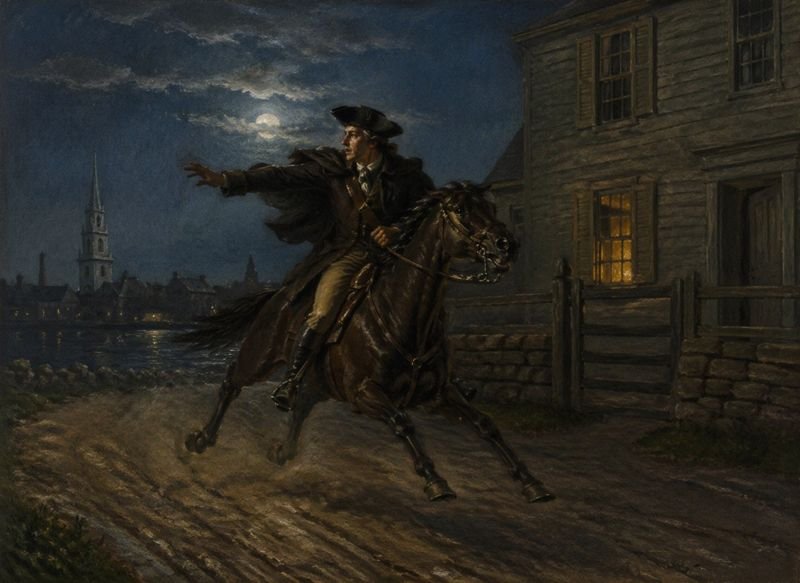
His most famous contribution came on the night of April 18th, 1775, when he rode to warn colonial leaders and militias of advancing British troops. This ride, which helped alert forces ahead of the Battles of Lexington and Concord, was not an isolated act but part of a coordinated effort involving multiple riders and signals. Revere’s role in this event highlights the importance of communication in the early stages of the war. By ensuring that information moved quickly, he helped enable the rapid mobilization of colonial militias, marking the transition from fearful tension to armed conflict.
Following the outbreak of war, Revere continued to contribute in practical and organizational ways. He served as an officer in the Massachusetts militia, eventually holding the rank of lieutenant colonel. Although his military career was less distinguished than his earlier activities, it reflected his ongoing commitment to the revolutionary cause. He participated in efforts to defend the region and was involved in logistical and organizational tasks that supported military operations.
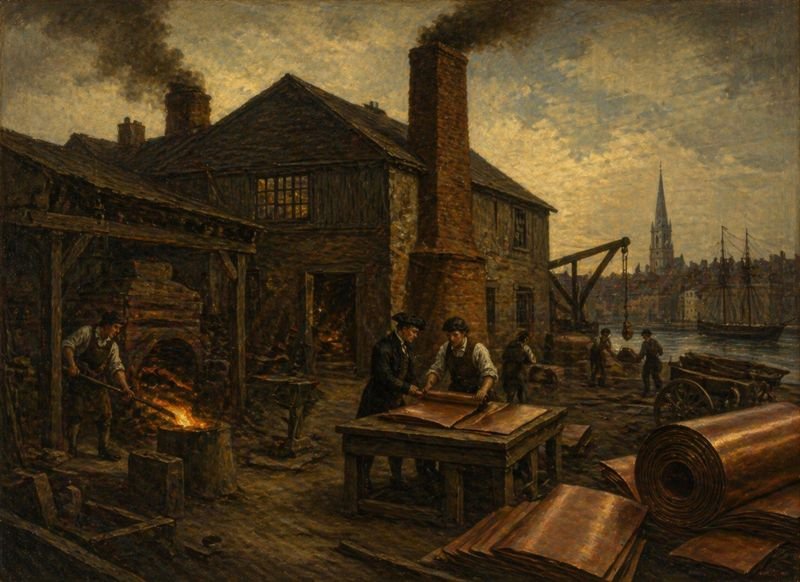
One of Revere’s most significant contributions during the war was in the area of production and supply. Drawing on his skills as an artisan and entrepreneur, he helped improve the manufacture of gunpowder and other military materials. At a time when the colonies faced shortages of essential supplies, these efforts were critical. Revere worked to establish mills and processes that could produce the resources needed to sustain the war effort, demonstrating how conflict and wars depended not only on armed resistance but also on supplies and infrastructure.
Revere also played a role in intelligence and reconnaissance. His earlier experience as a courier and his familiarity with the region made him well suited to gathering and transmitting information. Whilst not a spy in the traditional sense, his activities contributed to the broader intelligence network that informed colonial strategy. This aspect of his work underscores the intelligence nature of the revolutionary effort, where success depended on a combination of military, logistical, and informational capabilities.
Despite his many contributions, Revere’s wartime career was not without difficulties. His involvement in the Penobscot Expedition of 1779, a failed attempt to dislodge British forces from Maine, resulted in controversy. Revere was accused of disobedience and faced a court-martial, though he was eventually acquitted. This episode illustrates that his service, like that of many others, was complex and sometimes marked by setbacks.
Beyond his direct involvement in military and logistical efforts, Revere continued to contribute through communication and public engagement. His earlier work as an engraver and propagandist had helped shape public opinion, and the networks he had supported remained vital throughout the war. Revere’s involvement in the American Revolutionary War also reflects the broader participation of artisans and ordinary citizens. He was not a high-ranking political leader or a professional soldier, yet his contributions were essential. His ability to apply his skills, whether in engraving, communication, or manufacturing, to the needs of the movement demonstrates how individuals from all types of backgrounds played a role in the Revolutionary War.
In the years after the war, Revere’s activities shifted toward business and politics, but his wartime contributions remained a defining part of his legacy. His life illustrates how the revolutionary movement depended on a wide range of skills Ultimately, Paul Revere’s involvement in the American Revolutionary War was multifaceted and sustained. He was a communicator, a participant in military efforts, and a contributor to the logistical foundation of the war. whilst his midnight ride remains the most celebrated aspect of his story, it is only one part of a broader pattern of engagement that helped support the American Revolution from its early days through to its realization of a nation.