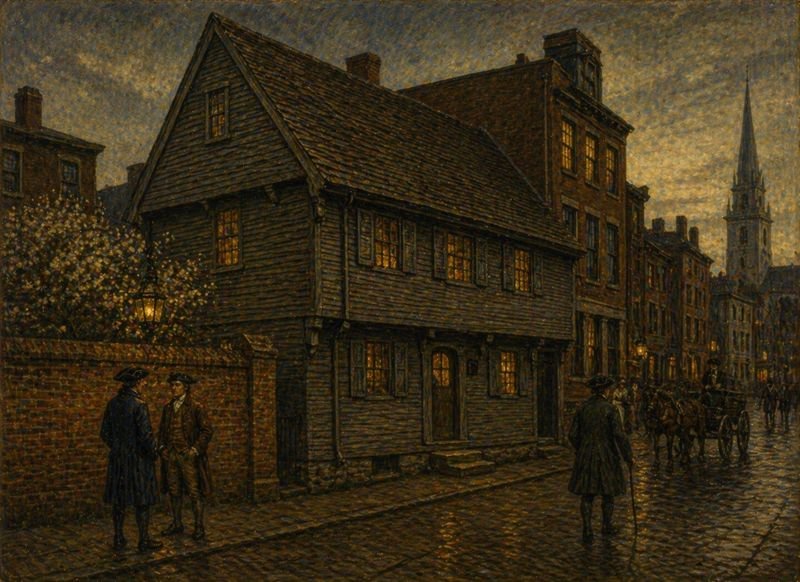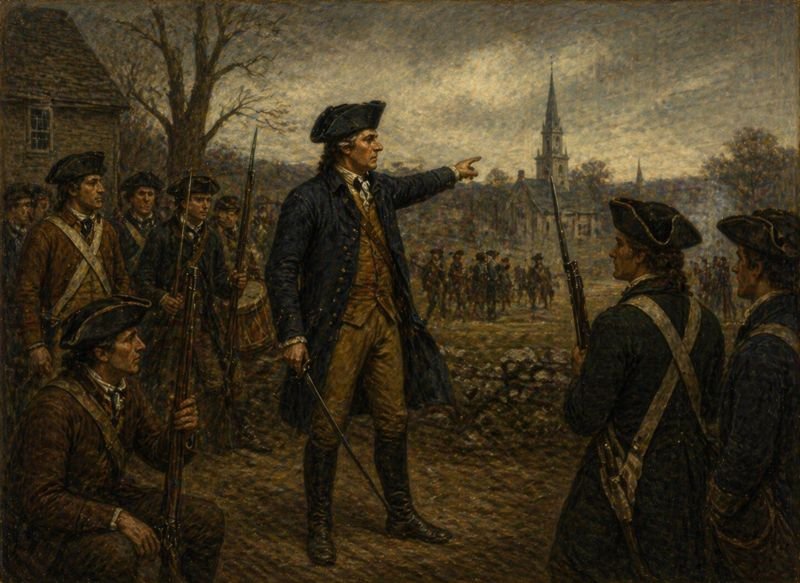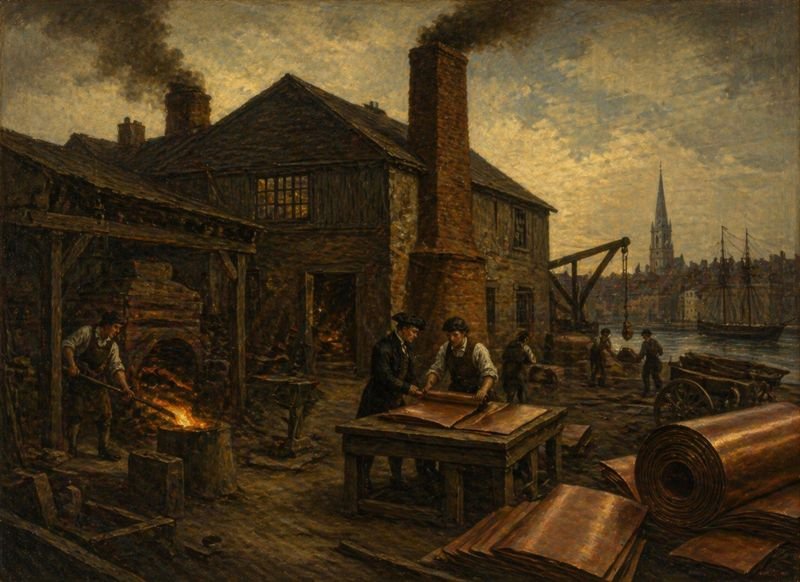
The North End of Boston in the mid-18th century was a densely populated, working-class neighborhood that played a significant role in shaping the outlook and experiences of Paul Revere. Far from being a quiet or orderly district, the North End was one of the most crowded and dynamic parts of colonial Boston, a place where commerce, craftsmanship, politics, and everyday survival were tightly intertwined. Understanding this environment helps explain how Revere developed into both an artisan and an active participant in revolutionary politics.
During Revere’s lifetime, the North End was a maritime neighborhood closely connected to Boston’s harbor economy. It was home to sailors, dockworkers, merchants, apprentices, and artisans, including silversmiths like Revere. The proximity to the waterfront meant constant activity, with ships arriving and departing, goods being loaded and unloaded, and news from other colonies and Britain circulating quickly. This flow of information contributed to a politically aware population, where developments in imperial policy were discussed not just in elite circles but in taverns, workshops, and on the streets.
The neighborhood was also socially diverse, with a mix of ethnic backgrounds and economic statuses. Whilst some residents were relatively prosperous, many lived in modest or even precarious conditions. Crowded housing and narrow streets created a sense of closeness, where people were in regular contact with one another. This environment fostered strong local networks and relationships, which were essential for both economic survival and political organization. For Revere, growing up and working in this setting meant being constantly exposed to the concerns and grievances of ordinary people.
As a silversmith, Revere’s workshop was part of this social fabric. It was not just a place of production but also a space where ideas were exchanged. Artisans often discussed politics, shared news, and debated current events whilst working. The issues of the day such as taxation, trade restrictions, and the presence of British troops etc., would have been immediate and personal topics. The North End’s working population was particularly sensitive to economic disruption, and policies imposed by Britain were often felt directly in terms of employment and income.
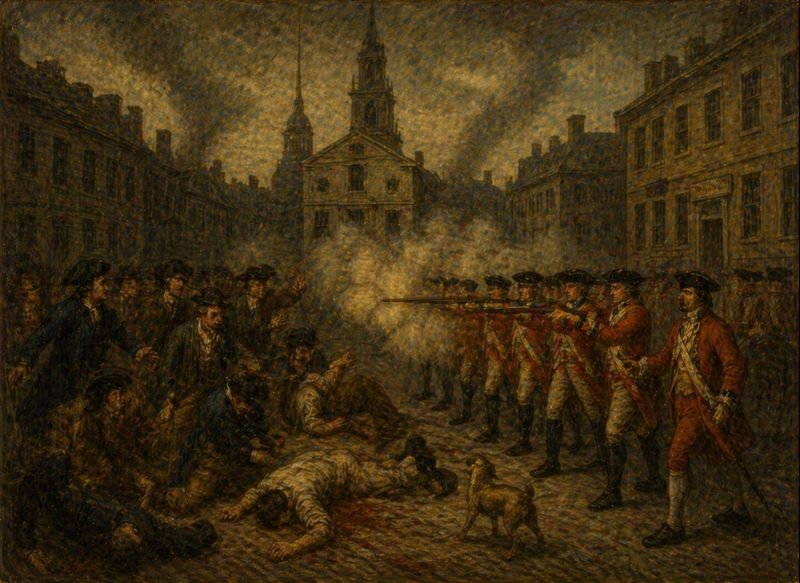
This economic dimension was crucial in shaping attitudes toward British authority. Soldiers stationed in Boston, including those present before the Boston Massacre, frequently competed with local workers for jobs. In a neighborhood like the North End, where many relied on manual labor and trade, this competition created resentment and tension. These everyday conflicts contributed to a broader sense of opposition, reinforcing the idea that British policies were not just abstract political issues but real threats to livelihoods.
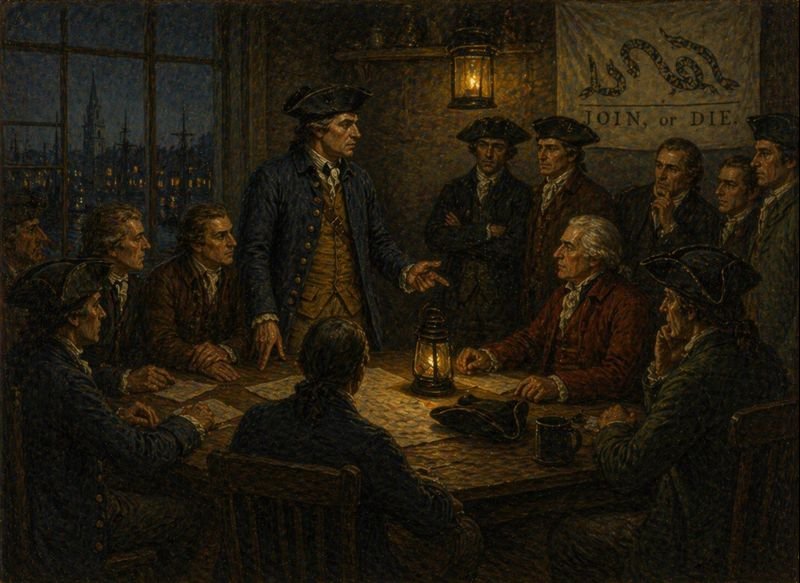
The North End was also a center of political activity. Groups such as the Sons of Liberty drew heavily from the artisan and laboring classes that populated the area. Meetings, protests, and discussions often took place in local taverns and public spaces, where participation was accessible to a wide range of people. Revere’s proximity to these networks made it easier for him to become involved. His skills as an engraver and his connections within the community allowed him to contribute to the movement in meaningful ways.
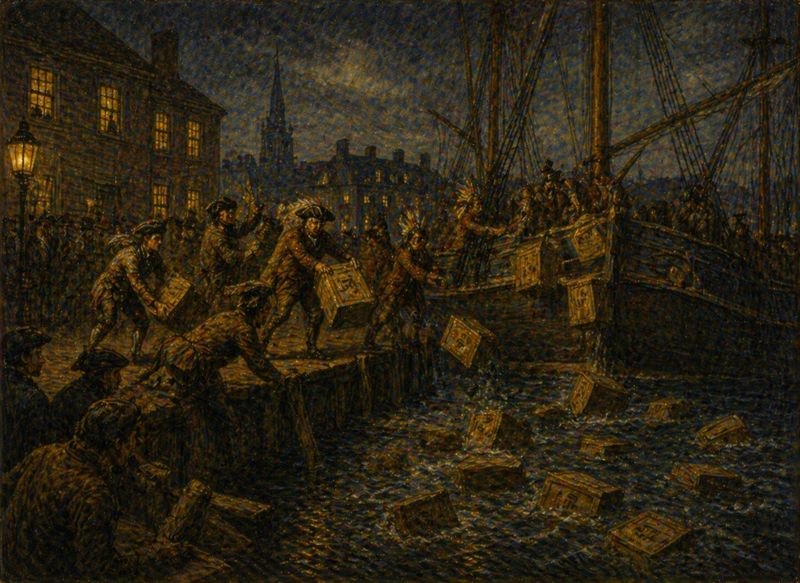
Another important aspect of the North End was its culture of collective action. Because residents were closely connected and faced similar challenges, they were often willing to act together. This could take the form of organized boycotts, public demonstrations, or more confrontational actions. For someone like Revere, this environment reinforced the idea that political change was something that could be pursued collectively, rather than solely through formal institutions.
At the same time, the North End exposed Revere to the complexities of colonial society. It was not a place of uniform opinion; there were divisions, disagreements, and competing interests. Some residents remained loyal to Britain, whilst others supported resistance. Navigating this environment required awareness and adaptability, qualities that Revere demonstrated throughout his life. His ability to move within different social groups and communicate effectively was likely shaped by these early experiences.
The physical setting of the North End also played a role. Its narrow streets, crowded buildings, and proximity to key locations such as the waterfront and the city center meant that events unfolded in close quarters. News traveled quickly, and public events could draw large crowds. This immediacy contributed to the intensity of political life in Boston, where tensions could escalate rapidly.
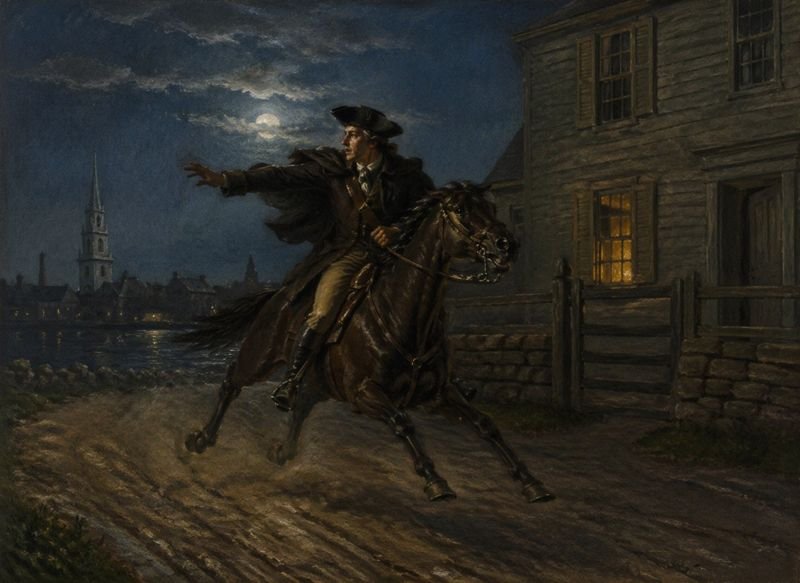
In a broader sense, the North End provided the conditions that helped shape Revere’s identity. It was a place where economic concerns, social networks, and political ideas intersected. Living and working in this environment, Revere was not insulated from the effects of British policy; he experienced them directly and saw how they affected those around him. This perspective helped inform his later actions, whether in producing political engravings, participating in resistance networks, or serving as a courier.
Ultimately, Boston’s North End was more than just the setting of Revere’s life, it was a formative influence. It exposed him to the realities of colonial society, connected him to a network of like-minded individuals, and provided the context in which his political awareness developed. In this way, the neighborhood played a crucial role in shaping both his thoughts and his contributions to the revolutionary movement.