Paul Revere’s involvement with the Massachusetts militia is often overshadowed by his more famous activities as a courier and engraver, yet it represents an important dimension of his contribution to the American Revolutionary War. His militia service reflects both his personal commitment to the revolutionary cause and the broader participation of ordinary citizens in the transition from political resistance to organized military action.
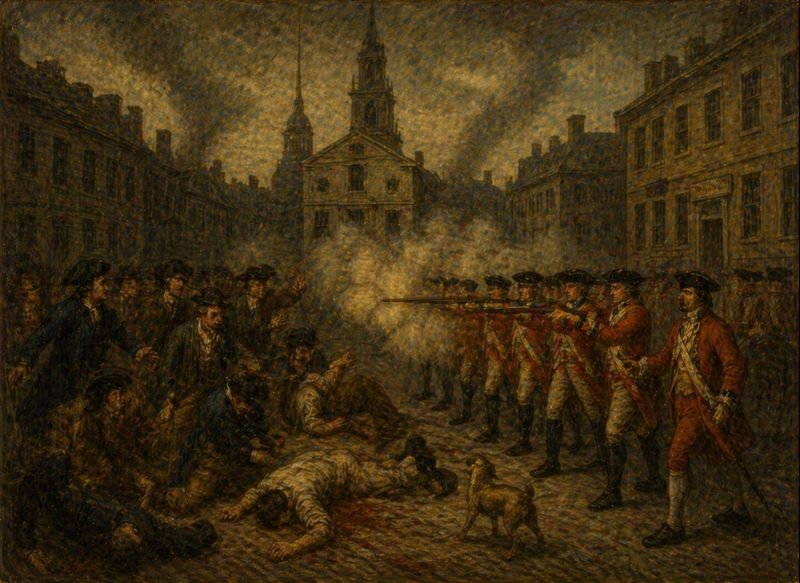
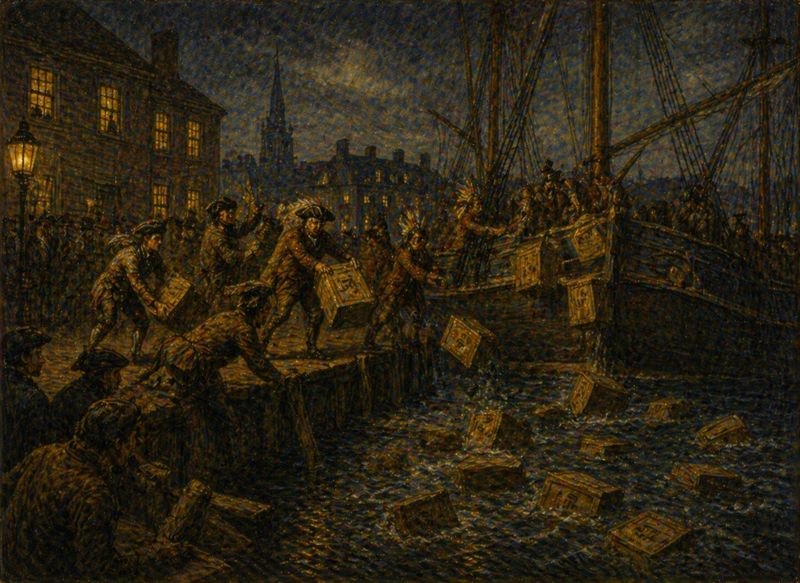
Before the outbreak of war, Revere was already closely connected to the networks that would form the basis of the Boston/Massachusetts militia organization. Through his work with Boston’s committees of correspondence and groups such as the Sons of Liberty, he was part of a community that emphasized preparedness and collective action. As tensions with Britain increased following events like the Boston Massacre, local militias began to organize more formally, training and stockpiling supplies in anticipation of possible conflict.
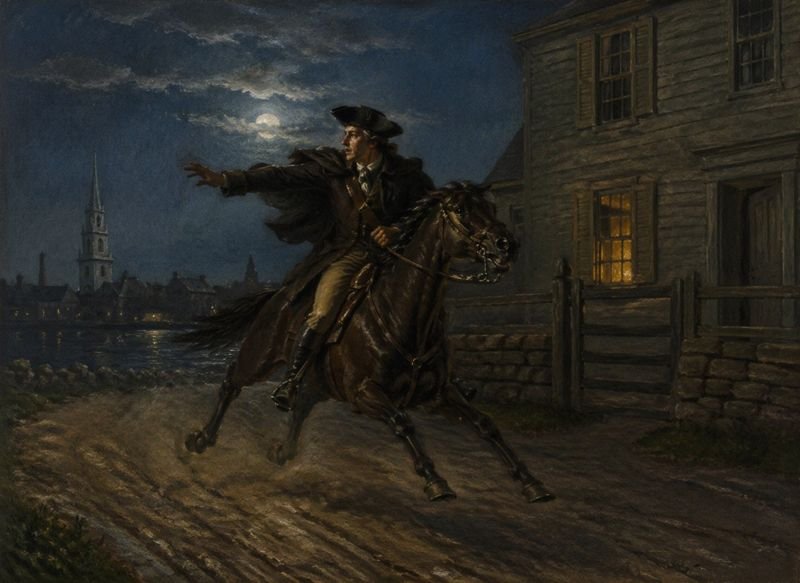
Revere’s role as a courier in April 1775, warning colonial leaders of British troop movements before the Battles of Lexington and Concord, was closely tied to these militia preparations. His actions helped ensure that militia units were alerted and able to mobilize quickly. whilst this episode is often remembered as a dramatic individual act, it was deeply connected to the existence of an organized militia system that could respond effectively once the alarm was raised.
Following the outbreak of hostilities, Revere transitioned from a supporting role into more direct military involvement. He was commissioned as an officer in the Massachusetts militia, eventually achieving the rank of lieutenant colonel. His responsibilities included organizing troops, overseeing training, and generally contributing to the militia of the region. Like many militia officers, he was not a career soldier but a citizen taking on military duties in response to extraordinary circumstances.
Revere’s service illustrates the significance/importance of the militia system itself. Unlike the British Army, which was composed of professional soldiers, the colonial militias were made up of local men who combined military service with civilian lives. Officers were often chosen based on their standing in the community, their reliability, and their ability to lead. Revere’s reputation as a trusted and capable individual made him a natural choice for such a position.
In addition to his formal duties, Revere’s skills and experience contributed to the functioning of the militia. His background in craftsmanship and organization was valuable in addressing logistical challenges, such as securing equipment and maintaining supplies. The success of militia operations depended not only on combat ability but also on the ability to sustain forces in the field, an area where Revere’s practical abilities were particularly relevant.
One of the most notable episodes of Revere’s militia career was his involvement in the Penobscot Expedition of 1779, an attempt by Massachusetts forces to dislodge British troops from what is now Maine. Revere served as an artillery officer during this confrontation, which ultimately ended in failure. The expedition was poorly coordinated, and the colonial forces were forced to retreat after British reinforcements arrived. In the aftermath, Revere faced accusations of disobedience and misconduct, leading to a court-martial.
The court-martial is an important part of understanding Revere’s military involvement. Whilst he was eventually acquitted, the controversy highlights the challenges faced by militia officers. The lack of centralized command, combined with limited resources and experience, often led to confusion and chaos Revere’s experience reflects these broader difficulties, showing that militia service was not always straightforward or successful.
Despite this setback, Revere’s overall contribution to the militia effort remained significant. His service demonstrated a willingness to take on responsibility and to adapt his skills to the needs of the war. It also underscores the role of individuals who were not professional soldiers but who nonetheless played a crucial part in sustaining the revolutionary effort.
Beyond specific engagements, Revere’s involvement with the Massachusetts militia contributed to the broader transformation of colonial resistance into organized warfare. The militia system was a key part in this process, providing a framework for mobilization and professionalism. By participating in this system, Revere helped bridge the gap between political activism and military action.
In the larger context of the American Revolution, Revere’s militia service highlights the interconnected nature of the struggle. His earlier work as a communicator and organizer fed directly into his later role as an officer, demonstrating how different forms of participation supported one another. The American Revolution was not fought solely on battlefields but was sustained by networks of people who contributed in multiple ways.
Ultimately, Paul Revere’s involvement with the Massachusetts militia reflects a broader pattern of citizen engagement in the revolutionary cause. It shows him not just as a symbol or messenger, but as an active participant in the military effort. whilst his service included both achievements and challenges, it remains an essential part of his legacy, illustrating how the fight for independence relied on the willingness of individuals to take on new roles in a time of crisis.