Paul Revere’s role as a courier for Boston’s revolutionary committees, often referred to as the Boston Committee of Correspondence and later the Massachusetts Committee of Safety, was one of the most critical yet understated aspects of his contribution to the American Revolution. Whilst his midnight ride in April 1775 is the most famous example of his work, it was only one instance within a much broader system of communication that he helped sustain. His role as a courier was essential in linking communities, coordinating resistance, and transforming local unrest into a unified colonial movement.
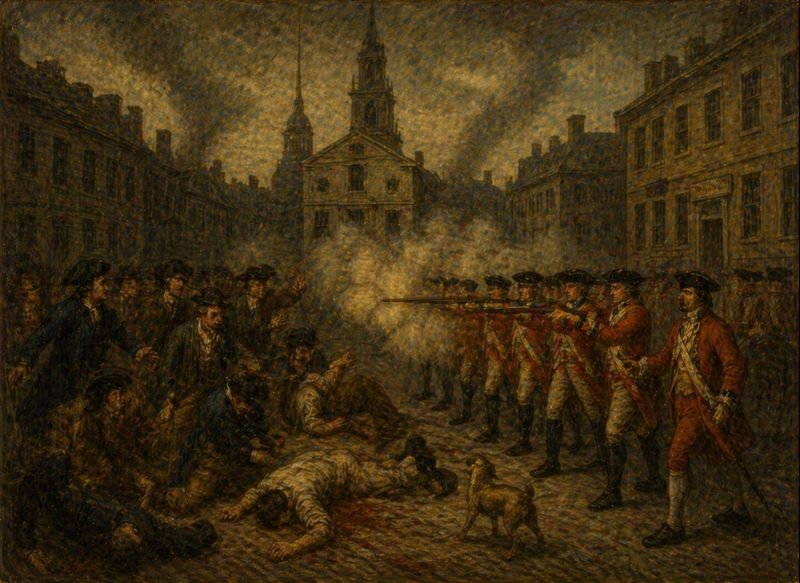
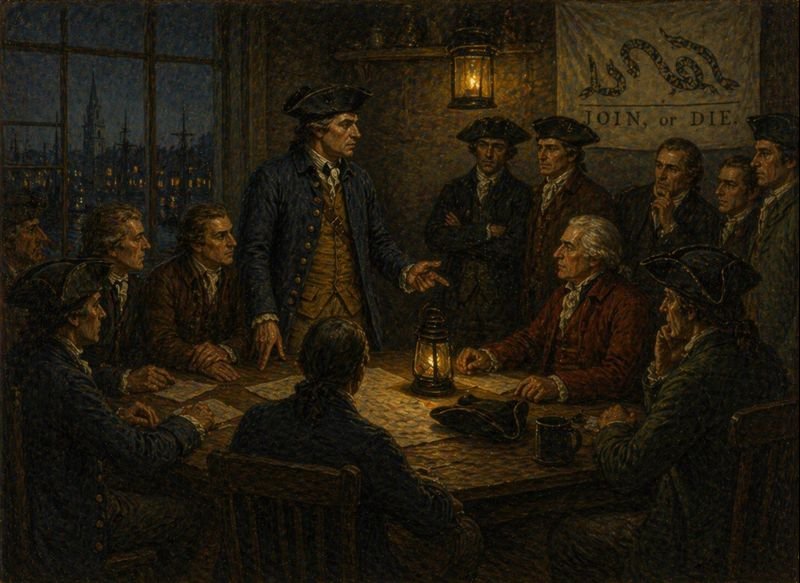
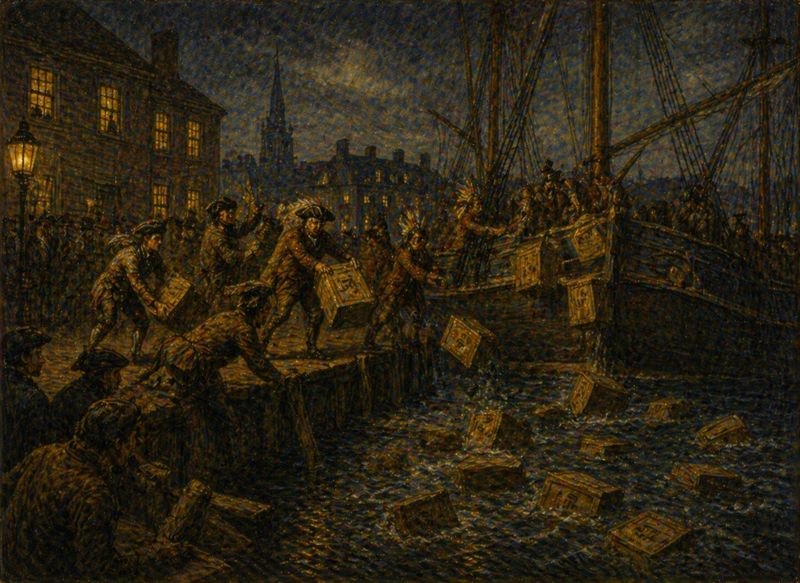
In the years following escalating tensions such as the Boston Massacre and the Boston Tea Party, colonial leaders recognized that effective resistance required reliable communication. Information about British policies, troop movements, and colonial responses needed to travel quickly and securely between towns and colonies. The committees of correspondence and safety were established to facilitate this exchange, creating a network that could operate independently of British authority.
Revere became one of the most trusted couriers within this system. His reputation for reliability, discretion, and speed made him an ideal choice for carrying sensitive information. Unlike printed materials, which could be intercepted or delayed, messages carried by trusted individuals allowed for more secure and timely communication. Revere’s familiarity with the geography of New England, as well as his connections with local communities, enabled him to travel efficiently and deliver messages where they were needed most.
His work involved more than simply riding from one location to another. As a courier, Revere was responsible for transmitting information accurately, often under conditions of uncertainty and risk. British authorities were aware of the importance of communication networks and occasionally attempted to disrupt them. This meant that Revere had to navigate not only physical distance but also the risk of interception or arrest. His ability to operate within this environment underscores the level of trust placed in him by revolutionary leaders.
One of the most significant aspects of Revere’s role was his contribution to coordination. The revolutionary movement was not a centralized organization with a single chain of command. Instead, it consisted of multiple groups and communities with shared goals but varying priorities. Couriers like Revere helped bridge these gaps, ensuring that actions taken in one place could be understood and supported elsewhere. This was particularly important in moments of crisis, when rapid communication could determine the effectiveness of a response.
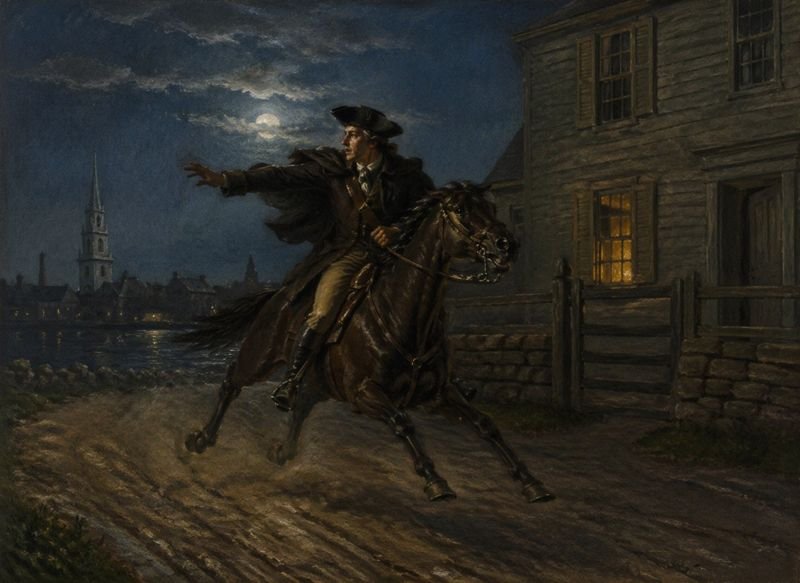
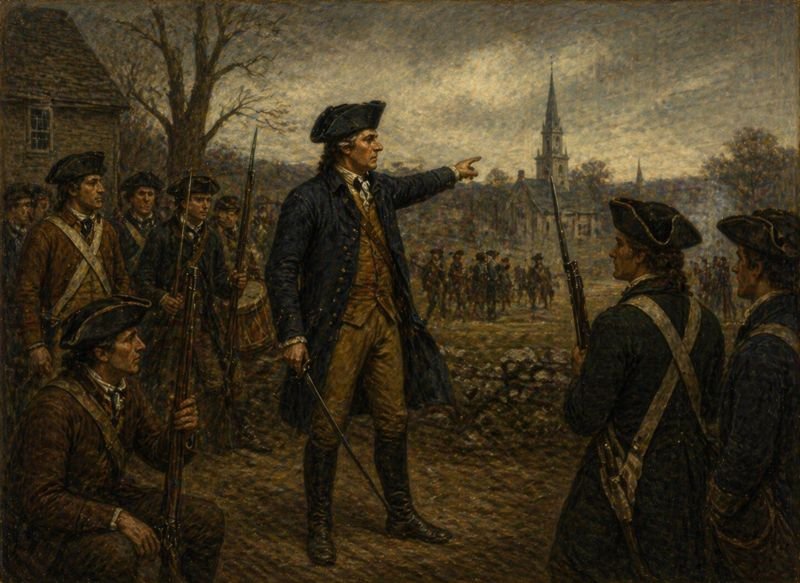
Revere’s most famous mission, his ride on April 18th, 1775, illustrates the importance and significance of this role. Acting on information that British troops were preparing to march from Boston to seize colonial supplies in Concord, Revere set out to warn local leaders and militias. His efforts, along with those of other riders, contributed to the rapid mobilization of colonial forces, leading to the engagements at Lexington and Concord. whilst this ride has become iconic, it was the culmination of years of experience within the communication network established by the committees.
The significance of Revere’s work as a courier extends beyond individual missions. It represents a broader shift in how political movements operated in colonial America. By creating systems of communication that were independent of official channels, the committees of correspondence and safety enabled the colonies to act collectively and effectively. Revere’s role within this system highlights how communication depended on infrastructure as much as ideology; on the practical ability to share information and coordinate action.
His work also demonstrates the importance of trust and personal relationships in the revolutionary movement. The effectiveness of the communication network relied on individuals who could be depended upon to carry out their tasks without error or compromise. Revere’s repeated selection for these duties indicates the confidence that leaders placed in him, as well as his commitment to the cause.
In a broader sense, Revere’s role as a courier helped transform isolated events into a shared colonial experience. By ensuring that news traveled quickly and consistently, he contributed to the development of a collective identity among the colonies. This sense of unity was essential in sustaining resistance and ultimately pursuing independence.
After the outbreak of war, the systems that Revere had helped support continued to play a crucial role in coordinating military and political efforts. Although his responsibilities evolved, the foundation of communication and trust that he had helped establish remained central to the revolutionary cause.
Ultimately, Paul Revere’s work as a courier for Boston’s revolutionary committees was a vital component of the movement. It required skill, courage, and reliability, and it had far-reaching implications for how resistance was organized and executed. Whilst less visible than his more famous actions, this role was fundamental to the importance of the colonialist’s cause, demonstrating that effective communication can be as important as direct confrontation in shaping historical outcomes.