Paul Revere is perhaps one of the most recognizable figures of the American Revolutionary era, remembered not only for his famous midnight ride but also for his wide-ranging contributions as an artisan, political activist, and propagandist. His life illustrates how individuals outside formal political office helped shape the revolutionary movement through communication, organization, and influence.
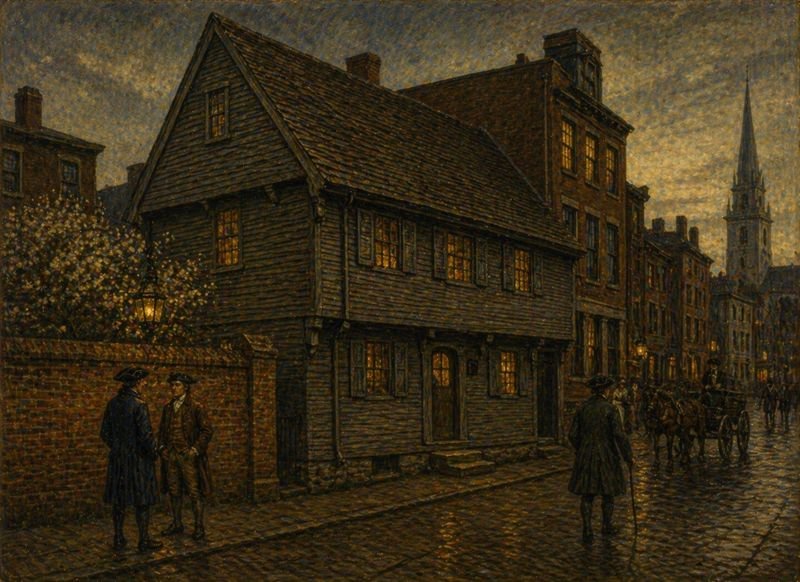
Born in Boston in 1734, Revere was trained as a silversmith, following in his father’s trade. This occupation placed him within the city’s artisan class, a group that would become increasingly involved in political resistance during the 1760s and 1770s. As a skilled craftsman, Revere developed talents in engraving, which later proved crucial in his role as a communicator and propagandist. His workshop produced not only silver goods but also prints, illustrations, and political imagery that circulated widely throughout the colonies.
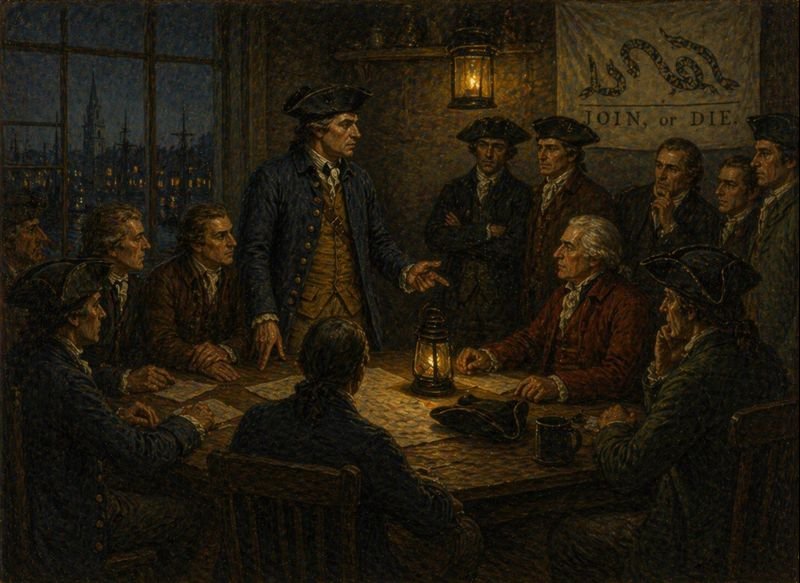
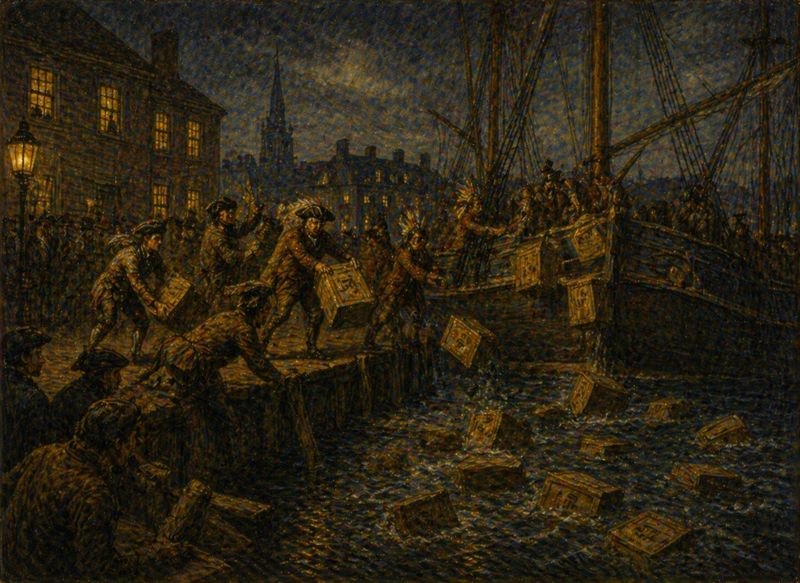
Revere became politically active during the protests against British taxation, particularly in response to measures such as the Stamp Act and the Townshend duties. He was closely associated with groups like the Sons of Liberty, which organized resistance to British authority. These networks brought together merchants, artisans, and political leaders, creating a coordinated movement that could mobilize public opinion and action. Revere’s involvement placed him at the heart of Boston’s resistance efforts, where he contributed both practically and symbolically.
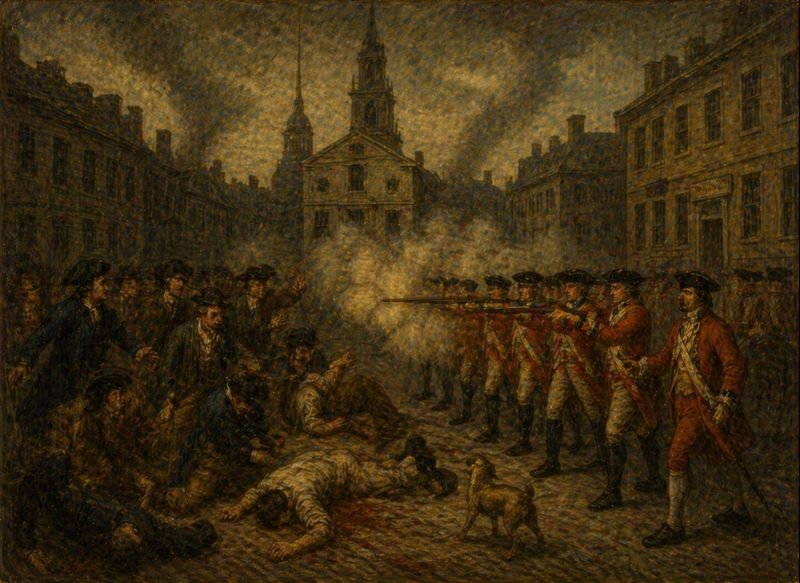
One of Revere’s most important contributions came after the Boston Massacre. Within weeks of the event, he produced his famous engraving, often titled “The Bloody Massacre Perpetrated in King Street.” This image presented a highly stylized version of the confrontation, depicting British soldiers firing in a coordinated volley at an unarmed crowd. Although the scene simplified and distorted the realities of the event, it was remarkably effective as propaganda. It transformed a chaotic incident into a clear moral narrative, reinforcing the idea of British tyranny and colonial victimhood. The engraving was widely distributed, helping to shape public perception across the colonies.
Revere’s influence extended beyond visual propaganda. He was an active participant in the Committees of Correspondence, which facilitated communication between colonies and helped coordinate resistance. These networks allowed information about British actions and colonial responses to spread rapidly, creating a sense of shared purpose. Revere often served as a courier, carrying messages and intelligence between key figures, demonstrating his reliability and trust within the patriot movement.
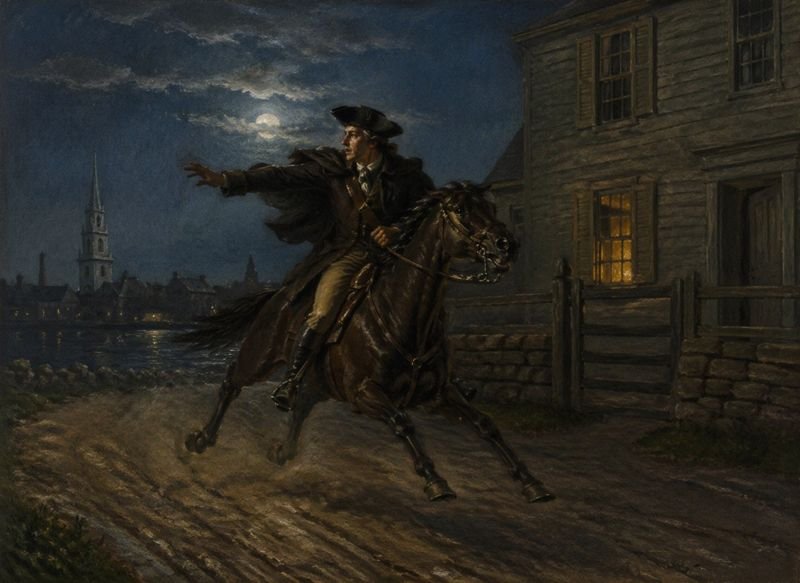
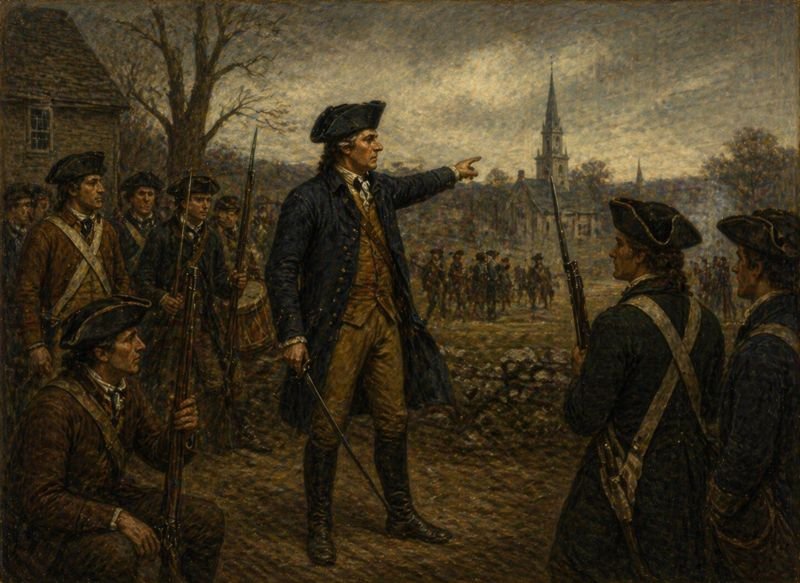
His most famous role came in April 1775, on the eve of open conflict. As British troops prepared to march from Boston to seize colonial military supplies in Concord, Revere was tasked with warning local leaders. His ride through the Massachusetts countryside, along with those of other riders such as William Dawes, alerted militia forces to the British advance. This early warning contributed to the rapid mobilization of colonial militias, leading to the confrontations at Lexington and Concord that marked the beginning of the American Revolutionary War. Whilst popular legend has simplified and sometimes exaggerated the details of this ride, its significance lies in the broader system of communication and coordination that Revere helped sustain.
After the outbreak of war, Revere continued to serve the revolutionary cause in various capacities. He was involved in military efforts, including serving as an officer in the Massachusetts militia, although his military career was less distinguished than his earlier contributions. He also worked to improve the production of gunpowder and other supplies, applying his technical skills to support the war effort.
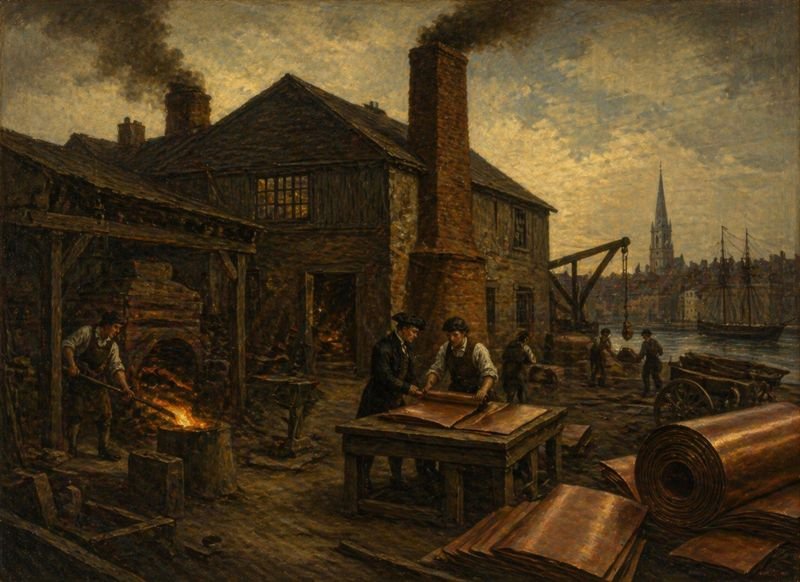
Following the war, Revere remained an active and innovative figure. He expanded his business interests beyond silversmithing, establishing one of the first copper rolling mills in North America. His enterprise produced materials used in shipbuilding and other industries, reflecting his adaptability and entrepreneurial spirit. He remained a respected member of his community until his death in 1818.
Paul Revere’s legacy is multifaceted. whilst he is often remembered for a single dramatic moment, his broader contributions reveal a figure deeply embedded in the social, economic, and political fabric of his time. He exemplified the role of the artisan-activist, using his skills and networks to influence events in ways that extended beyond traditional leadership. His work in propaganda, communication, and organization helped shape the revolutionary movement, demonstrating how the struggle for independence was driven not only by famous statesmen but also by individuals who operated behind the scenes.
In this way, Revere’s life offers insight into the nature of the American Revolution itself, a movement built on collaboration, communication, and the ability to turn local excitement into shared causes.